
Balance and Gait Physiotherapy camrose
How Balance and Gait Physiotherapy Camrose Can Help
At Central Physiotherapy and Massage Clinic, we provide individualized care for people experiencing balance difficulties, walking challenges, dizziness, and mobility concerns. Our approach to Balance and Gait Physiotherapy Camrose focuses on identifying the underlying causes of instability and creating personalized treatment plans that improve movement, confidence, and quality of life.
Balance and gait disorders can affect people at any age and may be caused by vestibular conditions, neurological disorders, injuries, surgery, aging, or musculoskeletal dysfunction. Regardless of the cause, rehabilitation can help improve mobility, reduce fall risk, and support greater independence.
Get Consultation Now
Understanding Balance and Gait Disorders
At Foot and Ankle Pain Relief Camrose, we understand that the feet and ankles are complex structures made up of bones, joints, muscles, tendons, ligaments, and nerves that work together to support movement and absorb force during walking, running, and daily activities.
When one part of this system becomes irritated, overloaded, or restricted, it can affect the way the entire lower body moves. Foot and ankle pain may develop gradually over time or occur suddenly following an injury.
Because the Balance and Gait Physiotherapy Camrose play an important role in balance, stability, and mobility, addressing symptoms early can help prevent compensation patterns from developing elsewhere in the body.

What’s the Difference Between Balance and Gait Physiotherapy?
Although closely related, balance and gait disorders affect movement differently.
Balance Disorders
Balance Physiotherapy Camrose affect your ability to maintain stability while standing or moving.
Common signs include:
- Feeling unsteady
- Dizziness
- Vertigo
- Loss of balance
- Fear of falling
- Difficulty standing on uneven surfaces
Gait Disorders
Gait Physiotherapy Camrose affect walking mechanics and movement patterns.
Common signs include:
- Shuffling steps
- Uneven walking patterns
- Limping
- Reduced walking speed
- Difficulty turning
- Poor coordination while walking
Many conditions can affect both systems simultaneously.
What You May Feel – Common Symptoms
Balance Symptoms
- Unsteadiness
- Dizziness
- Vertigo
- Feeling off-balance
- Difficulty standing for long periods
- Frequent stumbles
- Increased fall risk
Walking and Mobility Symptoms
- Walking difficulty
- Shuffling gait
- Slower walking speed
- Difficulty navigating stairs
- Difficulty walking on uneven surfaces
- Reduced coordination
- Loss of confidence while walking
Functional Symptoms
- Fear of falling
- Reduced independence
- Difficulty participating in activities
- Reduced exercise tolerance
- Difficulty performing household tasks
- Reduced community mobility
- Avoidance of certain environments or activities
Common Causes of Balance and Gait Disorders
Balance and gait disorders can develop from a variety of underlying conditions.
Common causes include:
- Vestibular dysfunction
- Vertigo
- Inner ear disorders
- Stroke
- Parkinson’s disease
- Multiple sclerosis
- Arthritis
- Muscle weakness
- Joint stiffness
- Peripheral neuropathy
- Concussion
- Traumatic brain injury
- Post-surgical recovery
- Aging-related changes
- Previous injuries
Understanding the underlying cause helps guide effective Balance and gait rehabilitation.
Common Conditions We Frequently Support
- Vertigo
- Vestibular dysfunction
- Benign paroxysmal positional vertigo (BPPV)
- Post-stroke mobility deficits
- Parkinson’s-related gait changes
- Multiple sclerosis-related mobility challenges
- Age-related balance decline
- Walking difficulty
- Peripheral neuropathy
- Post-surgical gait impairments
- Fall risk concerns
- Chronic dizziness
- Balance impairments following injury
- Mobility limitations affecting daily activities
Why Early Treatment Matters
Balance and Gait Physiotherapy and walking difficulties can have a significant impact on safety, independence, and confidence. Neurological Physiotherapy may be recommended when these challenges are related to neurological conditions that affect movement, coordination, or balance.
Without appropriate intervention, symptoms may contribute to:
- Increased fall risk
- Reduced mobility
- Loss of independence
- Reduced activity levels
- Muscle weakness
- Fear of movement
- Reduced quality of life
- Social isolation
Early rehabilitation can help address impairments before they lead to greater functional limitations.

What Recovery Can Look Like
As treatment progresses, many patients experience meaningful improvements in function and confidence.
You may notice:
- Improved balance
- Better coordination
- Greater walking confidence
- Reduced dizziness
- Improved stability
- Increased strength
- Better mobility
- Reduced fall risk
- Improved independence
- Greater participation in daily activities
Recovery timelines vary depending on the underlying condition, symptom severity, and individual goals.
What to Expect at Your Appointment
Your first visit focuses on understanding the factors contributing to your balance or walking difficulties.
Assessment may include:
- Medical history review
- Balance testing
- Gait analysis
- Strength assessment
- Mobility testing
- Coordination testing
- Vestibular screening
- Functional movement assessment
- Fall risk evaluation
From this assessment, a personalized treatment plan is developed to support your goals and improve movement confidence.
Most patients leave their first appointment with a clearer understanding of their condition and a structured plan for recovery.
Treatment Options at Central Physiotherapy & Massage
Balance and Gait Physiotherapy Camrose is tailored to the underlying causes of instability and the situations where balance or walking feels most challenging.
Physiotherapy
Feeling unsteady while walking, turning, climbing stairs, or navigating busy environments can significantly impact daily activities. Physiotherapy focuses on identifying the factors contributing to these difficulties and developing a plan to improve safe and confident movement.
Vestibular Rehabilitation
When dizziness, motion sensitivity, or inner-ear dysfunction are affecting balance, vestibular rehabilitation may play an important role in recovery. Treatment targets the visual, vestibular, and sensory systems involved in maintaining equilibrium.
Balance Training
Maintaining stability requires the coordination of multiple body systems working together. Balance exercises are designed to challenge these systems progressively while improving confidence in a controlled environment.
Gait Retraining
Changes in walking patterns can develop following injury, illness, neurological conditions, or prolonged inactivity. Gait retraining focuses on improving walking efficiency, coordination, step quality, and overall safety during mobility.
Therapeutic Exercise
Strength, endurance, and lower-body control all contribute to balance and mobility. Exercise programs are selected to address individual deficits that may be affecting stability during everyday activities.
Kinesiology / Training
Returning to community activities, recreation, and independent living often requires more than isolated balance exercises. Programs are designed to help individuals build the physical capacity needed to navigate daily life with greater confidence.
Manual Therapy
Joint mobility problems can influence posture, movement efficiency, and balance strategies. Hands-on treatment may be recommended when mobility limitations are contributing to functional challenges.
Acupuncture
For some individuals, symptoms such as tension, discomfort, or nervous system sensitivity may influence overall well-being during rehabilitation. Acupuncture may be incorporated alongside other treatment approaches as part of a comprehensive care plan.
Care Team
Your care may involve collaboration between multiple practitioners depending on your symptoms and goals.

Zoey Hashemi, PT
Physiotherapy Team
Rehabilitation focused on restoring mobility, balance, and functional independence.

Sweta Dhodi, PT
Physiotherapy Team
Individualized treatment planning and movement-based rehabilitation.

Hiya Tamakuwala, PT
Physiotherapy Team
Hands-on treatment and exercise-based recovery.

Aadarsh Shah, PT
Physiotherapy Team
Progressive rehabilitation focused on strength, mobility, and confidence with movement.

Dr. Marie-Michèle Benoit
Acupuncture
Acupuncture care supporting symptom management and overall recovery.
Massage Therapy Team
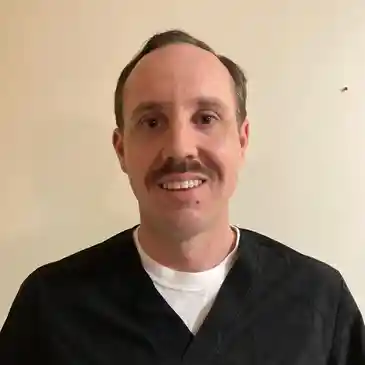
Reide Norman, RMT
Massage Therapy Team

Kayla Erickson, RMT
Massage Therapy Team

Maribel Untalan, RMT
Massage Therapy Team
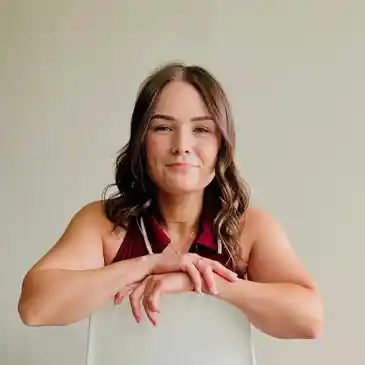
Sierra Asham, RMT
Massage Therapy Team

Take the First Step Toward Better Balance
If balance concerns, dizziness, or walking difficulties are affecting your confidence or independence, support is available.
Call Central Physiotherapy and Massage Clinic in Camrose or book online to begin your care.
Our team is here to provide Balance and Gait Disorder Physiotherapy Camrose, helping you improve stability, restore confidence, and support your return to daily activities with greater comfort and safety.